
Interview with Bonnie Jo Campbell
By Ron Riekki
Advice for writing good flash?
Write long, edit down. Maybe by throwing away ninety percent of a conventional story, you’ll get a great flash piece!
Consider giving your piece an interesting texture: make a list, break your tiny story into four parts, write a really long first sentence or a bunch of fragments.
Be outrageous, surreal, contradictory. Your reader doesn’t have time to compare your reality to their own. Novels are (often) bourgeois, and flash is (usually) not.
Pick a grand topic! A fourteen-line sonnet or 500 words of prose can take on a whole life or the whole world.
Try working with material that carries baggage, that brings along associations that blossom with meaning on their own. Use fairy tales, fables, classic literature, Greek myths, even news stories.
How do you use fairy tales?
Fairy tales are the oldest and truest stories. I’ve rewritten “The Three Bears” with a methy Goldilocks; I’ve re-envisioned “Sleeping Beauty” and “Prince Lindworm.” I never get tired of Medusa. The Waters is the story of an old witch on an island who has three daughters, the youngest being the most foolish and therefore destined to save them all. Connect your story to the stories that have stood the test of time! I wrote a novel-length meditation on Annie Oakley; my most republished flash story, “Sleepover,” owes much to Frankenstein.
What Vestal Review pieces do you like?
Vestal publishes amazing stories! Some are like jokes with endings that are punch lines; others resolve into an image or a new way of seeing what came before. Some are rants or work as extended metaphors that finish with a dramatic crossing of a t or dotting of an i, so the reader says, yes, that! They gobsmack us with language in the first line, or they can crush us under the accumulated weight of each ordinary word falling like a brick.
Some sketch breakups heartbreakingly: “Pygmalia,” by Fannie H. Gray; or devastating relationships, as in “The Ends,” by Guy Cramer, which alternates scene and flashback to aching effect.
I marvel at Dawn Miller’s lush and extravagantly written “Miscarriage,” in which the narrator expects (longs?) to feel lifeless and empty but instead is pursued by, enmeshed in, unrelenting fertility.
Aimee Bender’s brilliant “Evacuated” has a first sentence that is 10% of the whole story and lands on a claim that confounds us—we read on, desperate to see how it could be so.
Many of my favorite flash pieces are from the workplace, such as Fred Leebron’s “Psych Tech with Patient, 1980.”
Your favorite flash writers?
I admire Lydia Davis, with her plainspoken, even philosophical, outrageousness, and Aimee Bender, with her surrealism. Currently I am enjoying Beth Ann Fennelly’s micro memoirs, so full of love and surprise.
Why don’t you write more flash?
After focusing on novels these last few years, just thinking about flash fiction is thrilling, like taking a clean sharp breath!
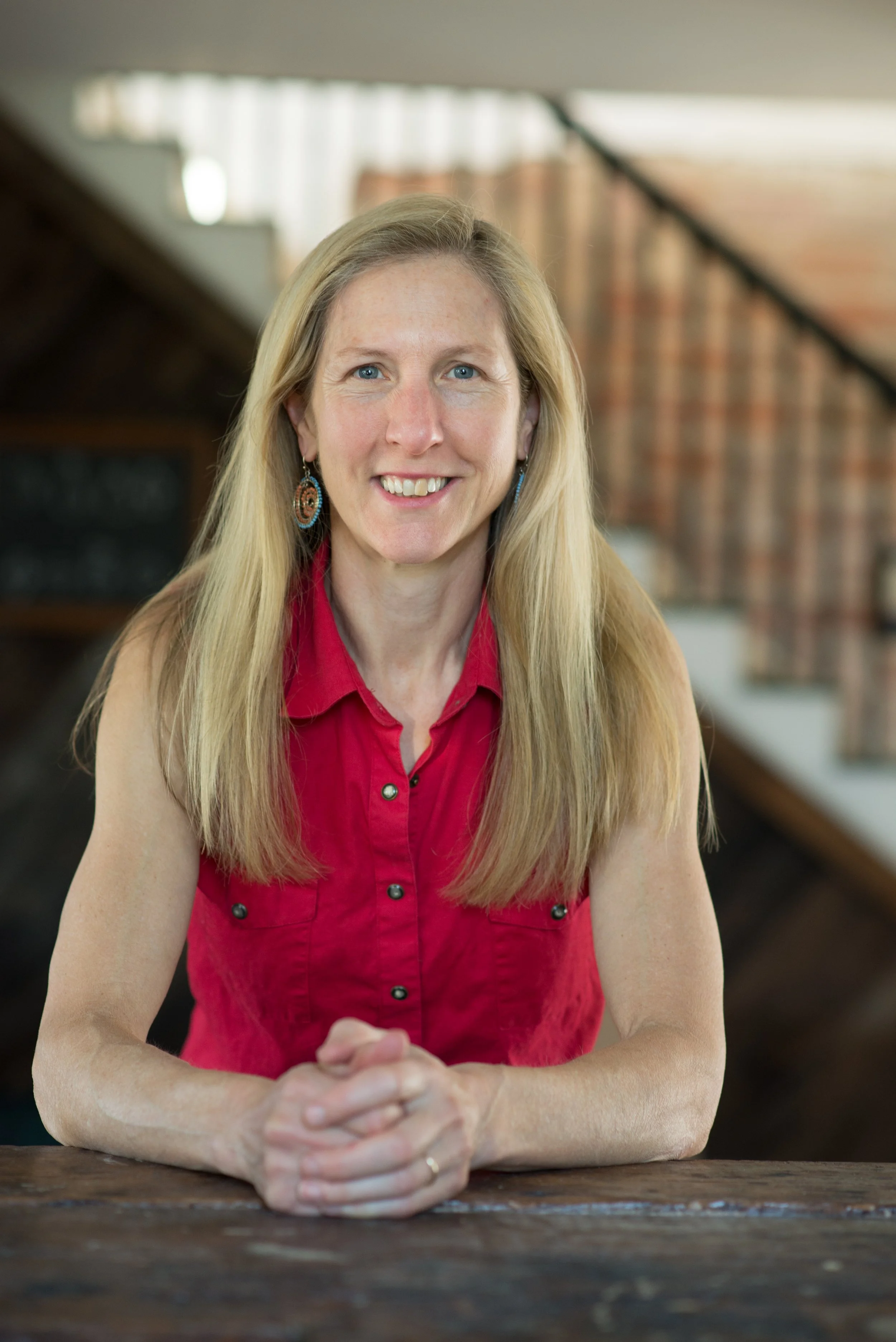
Bonnie Jo Campbell is the author of The Waters, a Today Show “Read with Jenna” Book Club selection. Her other novels include Once Upon A River, a National Bestseller adapted into an award-winning film, and Q Road. Her short story collections include American Salvage, a finalist for the National Book Award and National Book Critics Circle Award, and Women and Other Animals, an AWP Grace Paley Prize winner. Her latest book, the novel The Spirits, is forthcoming in October 2026. She is a Guggenheim Fellow and a recipient of the Eudora Welty Prize and Mark Twain Award. She lives outside Kalamazoo on a small farm with her husband and donkeys. Visit www.bonniejocampbell.net.
Ron Riekki has been awarded a Michigan Notable Book award, a Shenandoah Fiction Prize, a Pushcart Prize, an IPPY Award, a Red Rock Film Fest Award, A Très Court International Film Festival Audience Award, and a Grand Prix, Dracula Film Festival Vladutz Trophy, as well as a spot in Best Small Fictions, a Rhysling Anthology inclusion, and a placing as a Best of the Net finalist. He co-edited The Many Lives of The Purge, a nominee for The Eiffel Award: The Year’s Best Books on Film. Right now, he’s listening to The Cleaners From Venus’s “Amateur Paranoic” on Princeton's WPRB Beat Stew radio show with Chef Patti, although that song just ended, and now Purelink’s “Rookie” is playing.