
Matinee
By Matt Leibel
Twelve minutes into the film, the screen dislodged itself from the wall of the Old Town Theater and began to rise like a rocket, crashing spectacularly through the ceiling (the famous chandelier jettisoning down onto a block of seats fortunately empty because it was 1:30 p.m. on a Thursday). Fifteen of the seventeen of us in the theater fled in a cinematic panic through the emergency EXIT and headed out toward the parking lot. We watched in fascination as the screen hovered in the midday sun, floating like a cherub above the PF Chang and the Walgreens and the boarded-up 24 Hour Fitness. The screen had not even picked an opportune moment to move skyward; nothing thematically in the film resonated with this kind of rupture. There was no launching of a hot air balloon, for instance, nothing metaphorical, no exorcism, no religious transformation, no cloud-city vision of Heaven with its gull-winged angels, no transcendent, ground-shaking love scene. Instead, there was a period noir about a pair of gumshoe detectives trying to solve a garden-variety heist in a small town with a number of mildly colorful usual suspects. We moved to our cars, as if switching into Drive-in mode, most of us not old enough to remember what such cinemas were actually like (though we held to a kind of composite nostalgia, imagining milkshake stands, poodle skirts, copped feels in backseats of Cadillacs, dates screaming in performative horror as ridiculously-rubbery-looking monsters terrorized a black-and-white city full of mom-and-pop five-and-dimes). We attempted to follow the plot even as the screen continued drifting away; we drove to wherever it wanted to take us, two towns over—another parking lot with a Kroger, a pair of nearly identical Mexican restaurants, a boarded-up laser hair removal place. The screen, still restless, tracked the path of the toll roads, passed over the state line, entered a national forest. We followed along, even as the plot became more byzantine, dense with shady characters, blue language, and red herrings. Until finally, at sundown, we uncovered the film’s darkest secrets, most of which we’d already deduced. As the credits rolled, the screen plummeted from the sky and disappeared over the horizon like a discarded thought. No evidence of its existence was ever found—this a far bigger mystery than the film itself, which was never screened again. Later, we’d learn that the couple who had stayed behind in the balcony of the theater hadn’t looked up once from their phones the entire time, even as their surroundings crumbled around them; they’d never stopped for a second to imagine that reality or the big screen or the power of story itself might have anything more dramatic to offer them than the tiny, all-consuming worlds they cradled so tenderly in their hands.
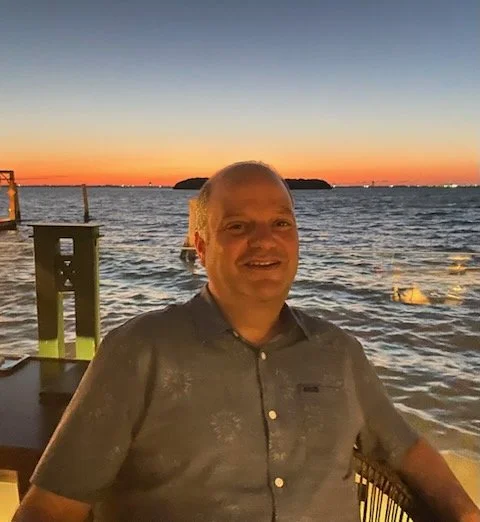
Matt Leibel’s short fiction has appeared in Post Road, Electric Literature, Portland Review, The Normal School, Aquifer: The Florida Review Online, matchbook, and Wigleaf. His work has also been anthologized in Best Small Fictions 2024 and Best Microfiction 2025. He lives in San Francisco. Read more at mattleibel.com.