
The Double Life of Medardo
by Manuel Moyano,
translated from THE Spanish by James Womack
Medardo Requena had the power to turn himself into a horse at will. Even in his human shape, his long face with its brutish—one might say horsey—features caught people’s attention, as did his hulking great body. And the way he walked, as though he were trotting. He was in cahoots with a man called Mouriño—a Galician, from Ourense—who had gone off to America to make his fortune but had come back a failure. They went to all the stock fairs together, and Requena, in the shape of a spirited courser, would be sold by Mouriño to the highest bidder. Then that night, once he had been stabled, he would regain his human form and walk out as if nothing had happened. If ever he were discovered in the stable, stark naked, he would just pretend to have got lost, and his appearance was so extraordinary and disconcerting—especially if the transformation were not yet fully completed—that they would let him leave right away without asking any more questions.
Medardo Requena admitted that he was fed up with this way of life, going from place to place without ever having a home, or a wife, or children, cheating honest people. But they earned so much money that Mouriño would always convince him to play the old trick one last time before retiring. They had already been working together for a decade, when one year, in Medina del Campo, after having struck a deal with a farmer from Osuna, Mouriño waited in vain for Requena to turn up at the agreed spot. He went over to the stables, afraid that there had been some kind of problem, and discovered to his astonishment that his comrade was there, but still in equine form. When Mouriño asked him what the hell was going on, Requena shook his mane, stomped cheerfully and, with a jerk of his head, pointed out a mare who was eating hay a mere ten yards away. When it looked as though Mouriño still didn’t get it, Requena used his hoof—for the time being still unshod—to sketch out in the dust the rough shape of a heart.
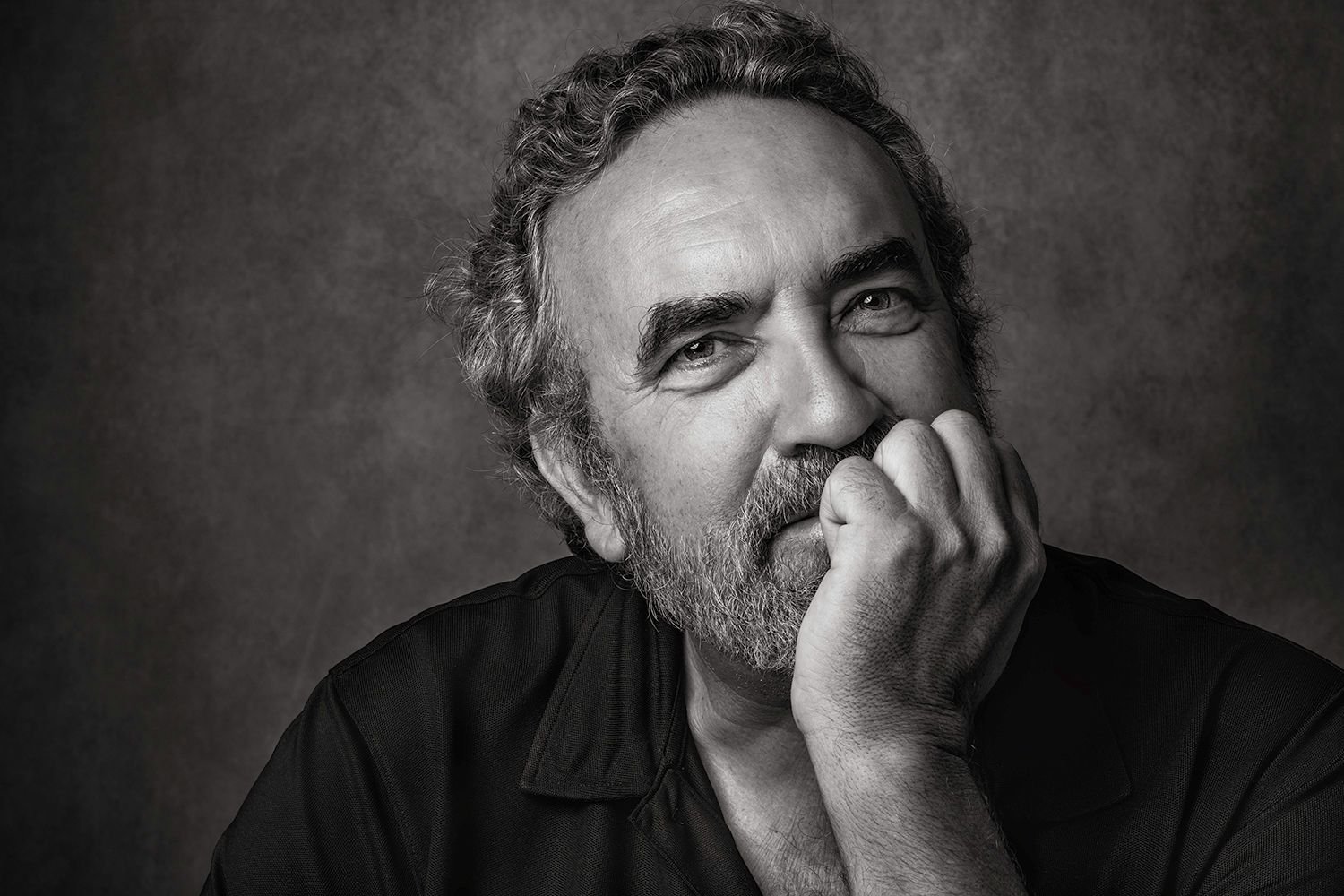
Manuel Moyano’s novels are El imperio de Yegorov (runner-up for the Herralde prize and winner of the Celsius Prize at the Semana Negra de Gijón literary festival), La coartada del diablo (winner of the Premio Tristana), La agenda negra, El abismo verde, La hipótesis Saint-Germain (winner of the Premio Carolina Coronado), Los reinos de Otrora, and El mundo acabará en viernes. He has published several books of short stories, including El amigo de Kafka (winner of the Premio Tigre Juan), El oro celeste, El experimento Wolberg, La version de Judas, and the flash fiction collection Teatro de ceniza. His nonfiction and travel books are Dietario mágico, Mamíferos que escriben, Polvo en los zapatos, Travesía americana, Cuadernos de tierra, and La frontera interios: viaje por Sierra Morena (winner of the Premio Eurostars). He has been translated into Italian and Dutch. (Image credit to Juan Ballester.)

James Womack lived in Spain for a decade before returning to England to teach at the University of Cambridge. He is a translator from Russian and Spanish. Recent works include The Hive, by Spanish Nobel Prize-winner Camilo José Cela (NYRB Classics, 2023), and Heaven, a selection of poems by the contemporary Spanish writer Manuel Vilas (Carcanet, 2020).