
The House of Unsent Letters
By Etta Wynn
The postal clerk had long stopped counting the letters that arrived after decades. They came in plain envelopes, sometimes yellowed with age, sometimes crisp as if they had been pressed between someone’s palms yesterday. No postage. No stamps. Just names: people who had vanished, emigrated, or died.
She called it the “unsent pile” at first. But soon it became a habit—she would sit with a letter before opening it, studying the handwriting, the paper, the invisible weight.
One letter, addressed to a soldier who never returned, made her hands tremble. Inside, a young woman wrote of her daily life, her small triumphs, her longing. Another, written by a boy who would have been thirty now, begged his mother to forgive him.
The clerk began tracing the recipients when she could. Some had vanished completely; others had left traces—a daughter, a widow, a shop with dusty windows. She sometimes left the letters on doorsteps, quietly, and sometimes kept them, afraid to interfere, yet unable to resist.
Her apartment became a museum of ghosts: boxes of letters in neat stacks, each a tiny human heartbeat paused in time. Some evenings, she read aloud. Sometimes she imagined the voices responding. Sometimes she cried.
It was during a rainstorm that the unsent letters changed. She opened one addressed to her own name. The handwriting was unfamiliar, hurried, earnest. It read:
“Do not keep them all. Some belong in the world. Some belong to the wind.”
She held it to her chest. The rain thrummed against the window, and she realized she had been trying to preserve the past at the expense of the present.
The next morning, she took a single envelope from each box and mailed it. She watched the mailman carry them away, each letter vanishing into the unknown. Some would arrive. Some would not.
She smiled, letting the rest remain. Letters had a way of finding their own time. Some were meant to wait, some to be opened, some to be lost.
In the quiet that followed, she felt the letters sigh in relief. She felt the city exhale. She felt, at last, that the voices of the past were not hers to keep—only hers to honor.
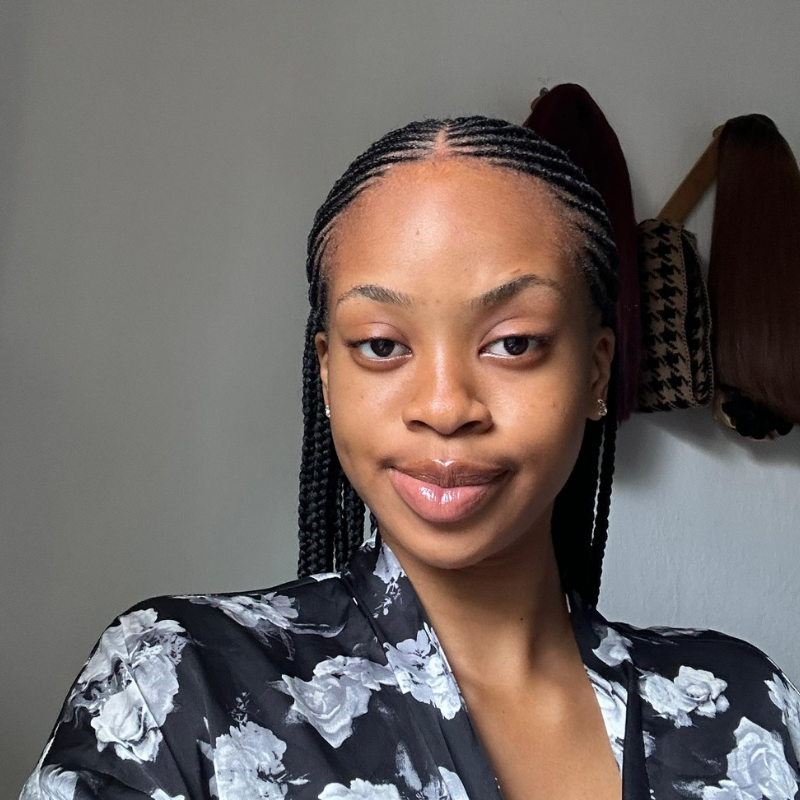
Etta Wynn is a Nigerian writer with a focus on literary fiction that blends melancholy, subtle surrealism, and the intimate moments of human experience. Her work often explores memory, longing, and the ways people preserve the past in their daily lives.